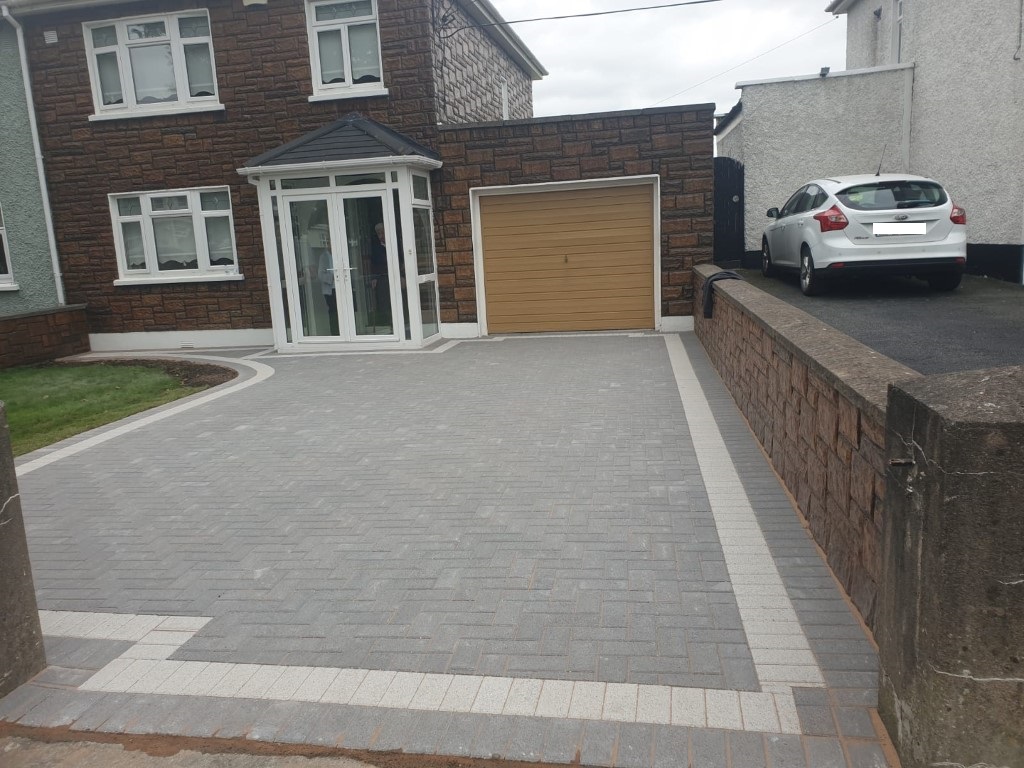
Block paving looks brilliant when it’s fresh. Keep it that way with proper maintenance and you’ll get decades from a good installation.
Most problems with block paving come from neglect, not poor materials. A bit of regular care prevents expensive repairs down the line. When issues do arise, professional repair services can restore your paving to its former glory.
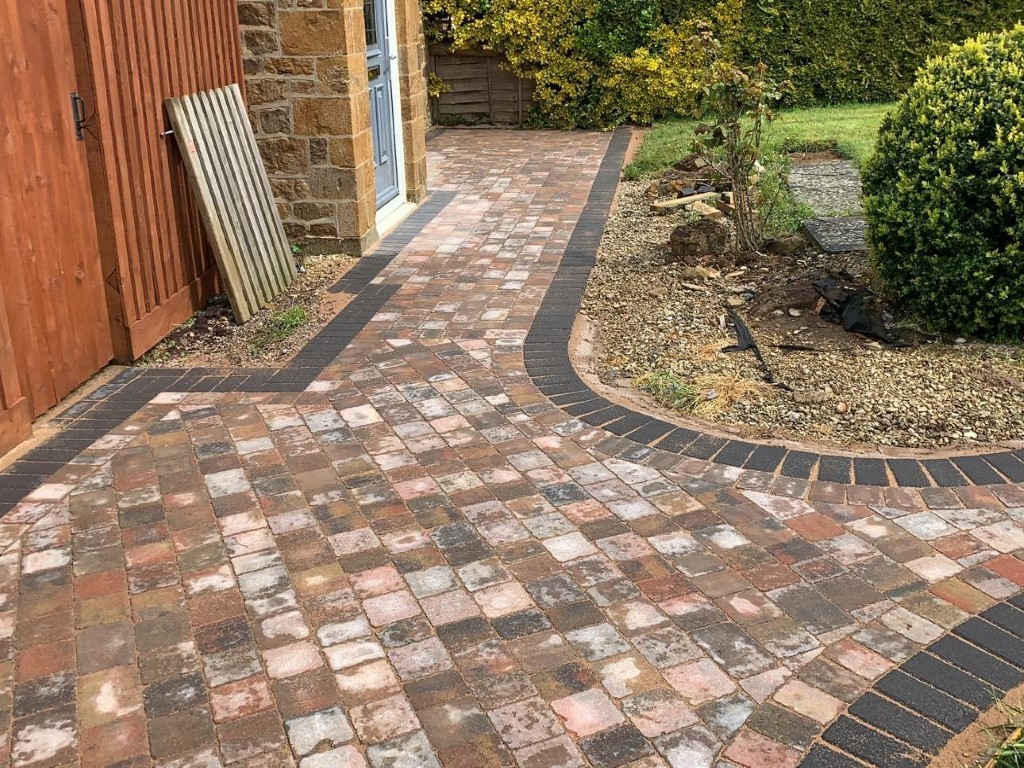
Weekly and Monthly Tasks
Sweep your block paving regularly. Leaves, dirt and debris trap moisture and encourage weeds and moss growth.
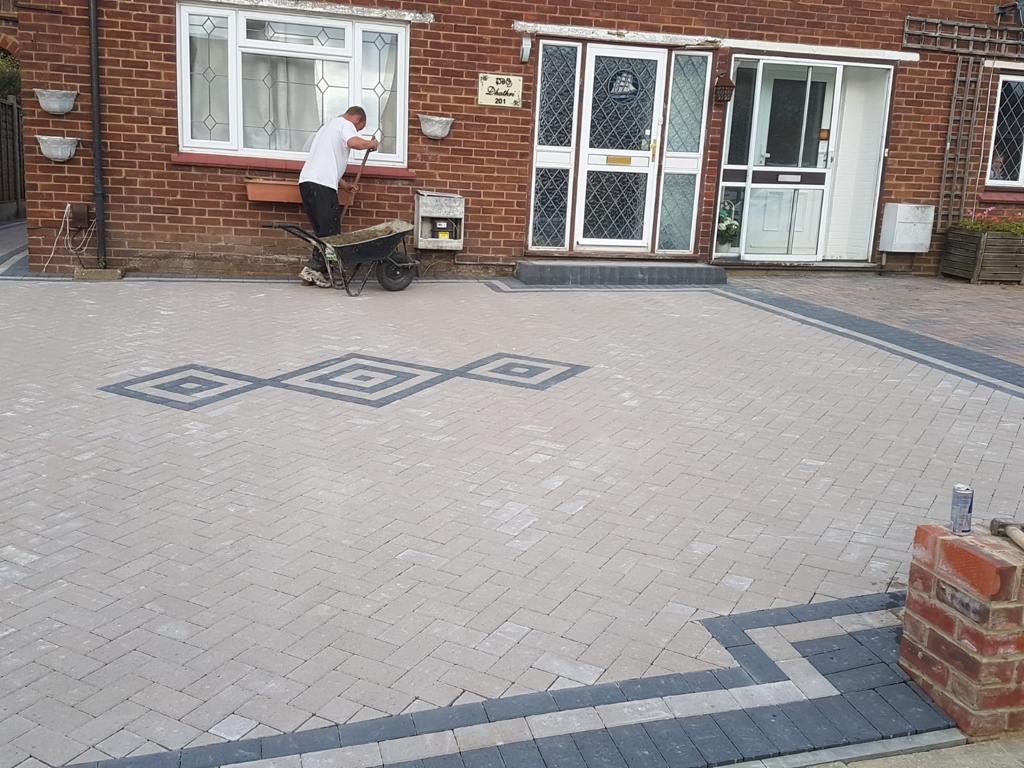
- Remove weeds as soon as they appear
- Clear gutters and drains to prevent water pooling
- Check for loose or sunken blocks
- Remove oil stains immediately with washing up liquid
Don’t use a pressure washer on the joints. You’ll blast out the sand and create gaps for weeds to take hold.
Seasonal Maintenance
Spring is when you tackle the bigger jobs. Re sand any joints that have worn away over winter. Use kiln dried sand, not builders sand.
Autumn means dealing with moss and algae. Use a stiff brush and soapy water rather than chemicals where possible.
Winter brings salt damage if you’re not careful. Avoid rock salt on block paving. Use sand for grip instead.
Common Problems and Solutions
Sunken blocks usually mean the sub base has failed underneath. Don’t ignore this. It only gets worse and costs more to fix later.
White staining on new blocks is efflorescence. It’s normal and will fade naturally. Don’t try to scrub it off.
Weeds in joints happen when the sand gets thin. Top up the sand regularly and weeds won’t get established.
When to Call in Help
Some jobs need professional attention. Large areas of sunken paving, failed edge restraints, or major drainage problems aren’t DIY fixes.
Re sealing block paving every few years helps with stain resistance and colour retention. Most homeowners can do this themselves with the right products.